
Agra Family Package with Private Taxi + Guide , Few travel experiences match the magic of witnessing the Taj Mahal with your family—watching your children’s eyes widen at their first glimpse of the world’s most beautiful monument, sharing the romance of this eternal love symbol with your spouse, creating photographs that will adorn your family albums for generations. An Agra family package with private taxi and guide transforms this iconic destination from a potentially stressful tourist experience into a seamless, educational, and deeply memorable family adventure.
Agra Family Package with Private Taxi + Guide , Unlike group tours where you’re herded through sites on rigid schedules, or independent travel where you’re constantly navigating logistics while managing children, a private package provides the perfect balance—professional structure ensuring you see everything important, combined with flexibility accommodating family needs like bathroom breaks, meal timing, and the unpredictable energy levels of children. Your dedicated vehicle becomes your mobile base, your guide becomes your family’s personal historian and entertainer, and Agra reveals itself at exactly the pace your family requires.
Why Families Choose Private Packages Over Alternatives
Child-Friendly Pacing: Group tours move at one speed—often too fast for families with young children who need frequent breaks, or too slow for families with energetic teenagers wanting more engagement. Private packages adapt to your family’s unique rhythm.
Educational Value Tailored to Age: A good private guide doesn’t deliver the same spiel to everyone. They explain Mughal history in age-appropriate ways—perhaps telling Akbar stories like adventure tales for 8-year-olds while discussing architectural innovations with interested teenagers. This customization transforms monuments from “boring old buildings” into fascinating discoveries.
Safety and Security: Your private vehicle and guide provide constant adult supervision and accountability. No risk of children getting separated in crowds, no worrying about strangers, and immediate support if anyone needs help. For parents, this peace of mind is priceless.
Comfort and Convenience: Family travel involves significant logistical complexity—diaper bags, strollers, snacks, water bottles, extra clothing. Your private vehicle stores everything safely while you explore sites unburdened. Need to return to the car for forgotten items or a child’s nap? Your driver waits nearby.
Flexible Schedule: Toddler needs an earlier lunch? Teenager wants extra time photographing the Taj? Baby requires feeding time? Private packages accommodate these real family needs without inconveniencing others or feeling pressured to conform to group schedules.
Photography Opportunities: Professional guides know the best photo spots and timing, helping create those perfect family portraits with the Taj Mahal backdrop that you’ll treasure forever. They’ll even offer to photograph the whole family together.
Comprehensive One-Day Family Itinerary
Early Morning: Sunrise at Taj Mahal (5:30 AM – 9:00 AM)
5:30 AM: Hotel pickup in your private AC vehicle (Innova recommended for families—seats 6-7 comfortably with luggage space). Yes, it’s early, but sunrise at the Taj is magical and worth waking children for. Frame it as an adventure—”We’re seeing the Taj when it’s pink and golden!”
6:00 AM: Arrive at Taj Mahal. Your guide assists with tickets (₹50 for Indians, ₹1,100 for foreigners; children under 15 free). Security is strict—small bags only, no food, no drones. Your driver stores excess items.
6:15-8:30 AM: Experience the Taj Mahal. Your guide leads you through the complex, explaining the love story of Shah Jahan and Mumtaz Mahal in engaging ways suited to your children’s ages. They point out architectural details, symmetry, inlay work, and Islamic calligraphy while keeping explanations accessible and interesting. Allow children to explore, touch permitted areas (the marble is smooth and cool—kids love this tactile experience), and absorb the monument at their pace.
Key family tip: The reflection pools offer stunning photo opportunities. Get family photos early before crowds arrive.
8:30-9:00 AM: Brief walk through Mehtab Bagh (garden across the Yamuna River) for rear views of the Taj if time and energy permit, or return directly to vehicle for breakfast.
Mid-Morning: Breakfast and Agra Fort (9:00 AM – 12:30 PM)
9:00-10:00 AM: Breakfast at a family-friendly restaurant (your guide recommends several with clean facilities, high chairs for toddlers, and diverse menu options). This break allows children to refuel and provides crucial rest before the next site.
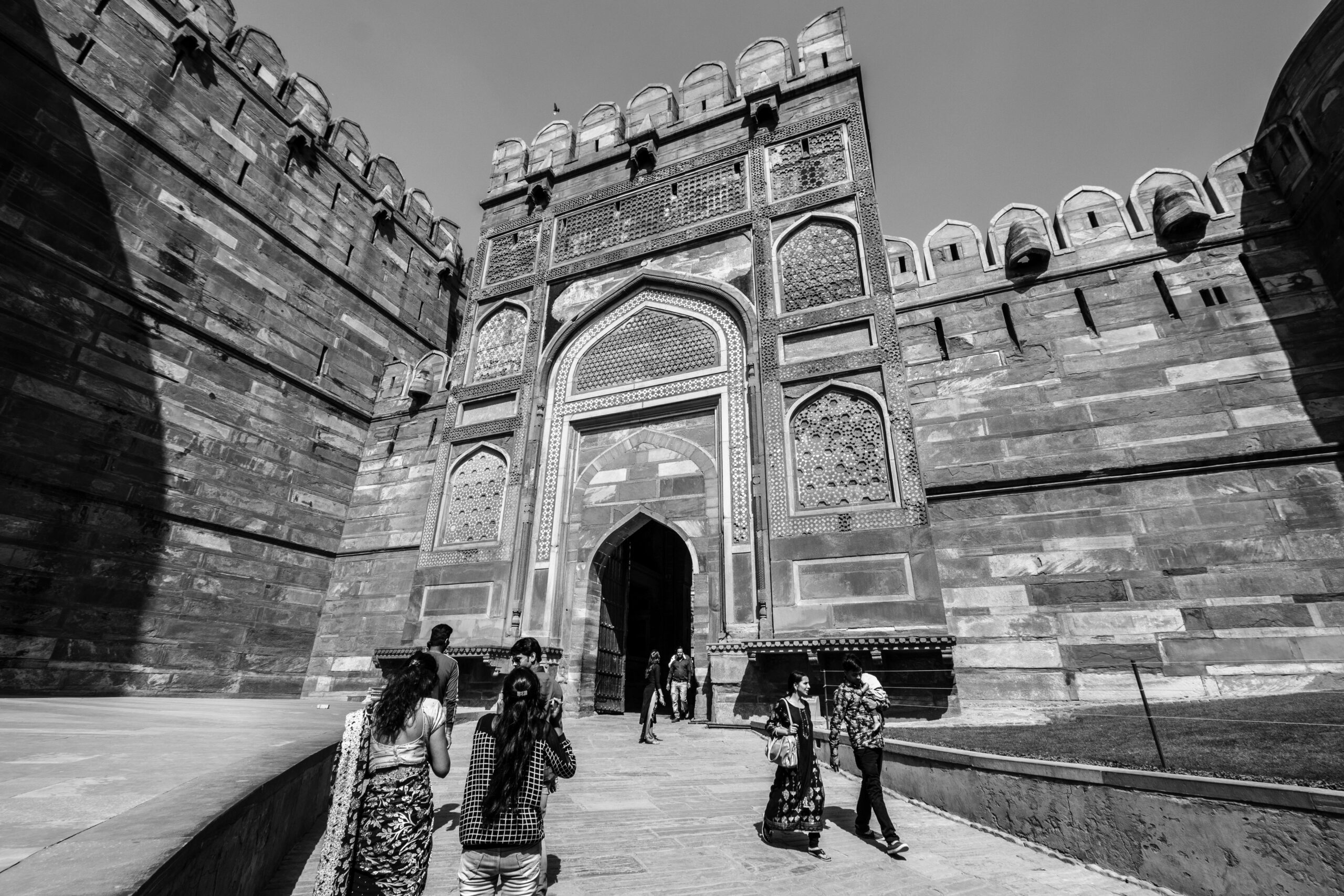
10:30 AM-12:30 PM: Agra Fort exploration. This massive red sandstone fort offers different appeal than the Taj—kids often find it more engaging because they can imagine soldiers defending ramparts, explore various chambers and corridors, and run around more freely than the Taj’s reverential atmosphere allows.
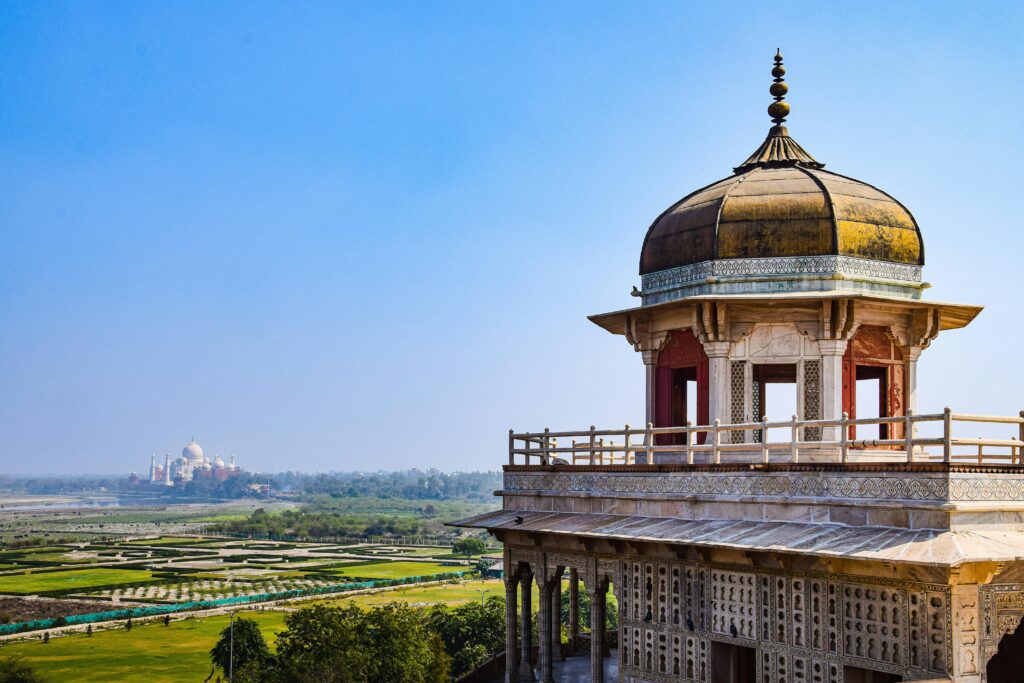
Your guide shares stories about Mughal emperors Akbar, Jahangir, and Shah Jahan (who was imprisoned here by his son, spending his final years gazing at the Taj Mahal where his beloved wife rests—a poignant detail older children appreciate). The fort’s sheer scale, intricate architecture, and historical drama capture imaginations.
Afternoon: Lunch and Optional Activities (12:30 PM – 4:00 PM)
12:30-2:00 PM: Lunch at a quality restaurant. Families with young children might prefer returning to the hotel for lunch and rest, especially in summer heat. Your private package accommodates this without pressure.
2:00-4:00 PM: Flexible afternoon options based on family interests and energy:
- Option A: Fatehpur Sikri (40 km from Agra, 1 hour drive each way) – Akbar’s magnificent abandoned capital. Vast courtyards where children can run, fascinating architecture, and the guide’s stories of why this entire city was abandoned bring history alive. Allow 3-4 hours total including travel.
- Option B: Itmad-ud-Daulah (Baby Taj) – Smaller, less crowded Mughal tomb offering exquisite marble inlay work. More intimate than the main Taj, often called a “jewel box.” Perfect if children are tiring of large monuments. Allow 45-60 minutes.
- Option C: Rest and Shopping – Return to hotel for swimming pool time or rest, then visit local markets for marble souvenirs (miniature Taj replicas, inlay work boxes) or leather goods (Agra is famous for shoes and bags). Children often enjoy selecting small souvenirs.
- Option D: Cultural Experience – Visit a marble inlay workshop watching artisans create the intricate work seen at the Taj, or a local family for chai and conversation about Indian life. These immersive experiences are educational and memorable.
Evening: Sunset and Departure (4:00 PM – 7:00 PM)
5:00-6:00 PM: For families staying overnight, consider sunset viewing of Taj Mahal from Mehtab Bagh (across the river—₹200 entry, beautiful golden-hour light, less crowded than morning).
6:00 PM onwards: Return to hotel if staying overnight, or begin return journey to Delhi/other destinations if doing same-day Agra trip. If departing, factor in 3-4 hour drive to Delhi plus traffic.
Pricing Structure
Budget Family Package (₹6,000-9,000 for family of 4)
- AC sedan (cramped for 4 with luggage; better for couples)
- Basic guide services (4-5 hours)
- Taj Mahal and Agra Fort only
- No meals included
- Suitable for very budget-conscious families
Standard Family Package (₹12,000-16,000 for family of 4-6)
- AC Innova/SUV (comfortable for families)
- Professional guide (full day, 8-10 hours)
- Taj Mahal, Agra Fort, one additional site
- Monument entry fees included
- Bottled water provided
- Highly recommended for most families
Premium Family Package (₹18,000-25,000 for family of 4-6)
- Innova Crysta or luxury SUV
- Expert guide with child engagement specialization
- All major sites plus Fatehpur Sikri
- All entry fees, parking, tolls
- Lunch at quality restaurant
- Photography assistance
- Extended flexibility (12-hour availability)
- Ideal for families wanting stress-free comprehensive experience
What’s Typically Excluded: Monument tickets (₹50-1,100 per adult depending on nationality; children often free), most meals, shopping, tips for guide and driver (₹500-1,000 total is customary for good service), and hotel accommodation.
Age-Appropriate Engagement Strategies
Toddlers (2-5 years): Won’t remember historical details but will remember the experience. Focus on sensory engagement—”Feel how smooth the marble is!” “Can you count the domes?” Keep visits shorter (1-1.5 hours maximum per site), bring snacks and entertainment for car rides, and plan around nap schedules.
Young Children (6-10 years): Highly engaged by stories. Good guides frame history as adventure tales—battles, romance, betrayal, treasure. Encourage questions, make it interactive (“Can you find the flower patterns?” “Guess how many years it took to build!”), and allow physical exploration within permitted areas.
Tweens (11-13 years): Approaching critical thinking stage. They appreciate connections—how Mughal architecture influenced later Indian design, the mathematics of symmetry, or cultural context of monuments. Photography missions engage them (“Get the best symmetry shot!”). They may seem disinterested initially but often absorb more than they show.
Teenagers (14+ years): Can appreciate full historical and artistic depth if presented engagingly. Discuss architectural innovations, political intrigue, cultural synthesis of Persian, Islamic, and Indian influences. Many teenagers, despite initial eye-rolling, become genuinely fascinated if guides are skilled. Social media moments matter—help them get Instagram-worthy shots.
Practical Family Travel Tips
Best Time to Visit: November-February offers comfortable weather (15-25°C), perfect for family sightseeing. March-April gets warm (30-35°C) but manageable. May-June is extremely hot (40-45°C)—challenging with children. July-September is monsoon—potential rain disruptions.
What to Pack: Comfortable walking shoes, sun protection (hats, sunscreen, sunglasses), modest clothing (shoulders and knees covered for mosque at Taj Mahal), hand sanitizer and wet wipes, children’s snacks and water bottles, stroller for toddlers (permitted at Taj; your guide advises on navigability), small backpack for essentials, and medications.
Photography Rules: Photography is allowed and encouraged at all sites (no tripods at Taj’s main platform). Interior tomb chamber prohibits photography. Guides know best photo spots and help with family portraits.
Safety Considerations: Agra is generally safe for families. Stay with your guide in crowded areas, keep children within sight, watch for uneven surfaces and stairs (monuments have these), and maintain hydration in warm weather.
Bathroom Facilities: Taj Mahal has clean facilities near the entrance (not inside the monument—plan accordingly). Agra Fort has basic facilities. Your guide knows clean restaurants and hotels with Western-style bathrooms for emergency stops.
Food Safety: Stick to bottled water always. For meals, choose busy restaurants with visible food preparation (your guide recommends safe options). Avoid street food unless from clearly hygienic vendors. Most children handle Indian food well if ordered mild.
Extending Your Agra Visit
Overnight Stay Benefits: Allows more relaxed pacing, sunset and sunrise Taj viewing, thorough Fatehpur Sikri exploration, and avoiding exhausting same-day return drives to Delhi.
Recommended Family Hotels: The Oberoi Amarvilas (luxury, Taj views from rooms), Courtyard by Marriott (solid mid-range with pool), and Hotel Sidhartha (budget-friendly, clean). Pools are huge for children after hot sightseeing days.
Delhi-Agra-Jaipur Triangle: Many families combine Agra into the “Golden Triangle” circuit—Delhi’s forts and museums, Agra’s Taj Mahal, and Jaipur’s palaces and forts. This 5-7 day itinerary provides comprehensive North India family experience.
Why Professional Guides Matter for Families
Education Beyond Guidebooks: Good guides make history come alive through storytelling, connecting facts to human drama children find compelling. They answer the constant “why” questions children ask.
Crowd Navigation: Guides know optimal routes through sites minimizing crowd exposure, best timing for photos, and shortcuts saving energy.
Cultural Bridge: They explain Indian customs, help with shopping negotiations, recommend authentic experiences, and provide cultural context enriching the visit.
Emergency Support: If someone gets sick, lost, or needs help, guides provide immediate assistance, local knowledge, and language skills invaluable in crises.
Child Engagement: Experienced family guides keep children interested through age-appropriate explanation, interactive elements, and understanding when kids need breaks.
Conclusion
Agra Family Package with Private Taxi + Guide , An Agra family package with private taxi and guide represents intelligent travel planning—acknowledging that family travel has unique needs differing from solo or couple travel, and structuring experiences accordingly. The Taj Mahal deserves to be experienced meaningfully, not just photographed quickly. Your children deserve to learn its stories, understand its significance, and create memories that spark lifelong curiosity about history, culture, and the world’s beauty.
The private structure—your vehicle providing comfort and flexibility, your guide providing education and support—removes the stress that often plagues family travel to tourist destinations. Instead of constantly worrying about logistics, you’re present for your family’s reactions, participating in their discoveries, and creating those magical moments that define successful family travel.
Whether your children are toddlers who’ll remember only impressions and photos, or teenagers developing sophisticated cultural appreciation, Agra offers experiences at every level. The investment in a quality private package ensures those experiences unfold smoothly, comfortably, and memorably. Years from now, when your children are grown, they’ll remember standing before the Taj Mahal as a family—and that memory will be priceless.
FAQs
1. Our children are 4 and 7 years old—will they actually appreciate the Taj Mahal and Agra Fort, or is this more for adults and we should wait until they’re older?
Young children absolutely can appreciate Agra in age-appropriate ways, and waiting until they’re older means missing these formative years when experiences shape them. While they won’t grasp Mughal architectural innovations, they will: be awed by the Taj’s sheer beauty and scale (children have natural aesthetic sense), engage with the love story when told simply (“A king built the most beautiful building in the world because he loved his wife so much”), enjoy physical exploration of fort corridors and chambers (Agra Fort is essentially a giant castle—kids love castles!), and remember the family adventure. Twenty years from now, your children won’t remember every detail, but they’ll cherish photos of themselves at the Taj and remember it was important to your family. That said, the experience works best with: a guide skilled in child engagement, flexible pacing allowing breaks, and framing as adventure rather than educational requirement. Skip overly ambitious itineraries—Taj Mahal and Agra Fort are sufficient for one day with young kids.
2. We’re concerned about heat and our children’s tolerance—what time of year is actually manageable for families, and should we avoid summer completely?
November through February is ideal—comfortable temperatures (15-25°C) where children can explore sites without heat exhaustion risk. March-April is quite good—warming up (25-35°C) but manageable with early morning starts, midday rest periods, and adequate hydration. May-June is genuinely challenging with young children—temperatures hit 40-45°C, outdoor sightseeing becomes exhausting and potentially dangerous for heat-related illness. If you must visit May-June: start extremely early (5:00 AM Taj visit, finish major sightseeing by 11:00 AM, midday hotel rest with pool time, optional evening activities). Carry electrolyte drinks, apply sunscreen liberally, have children wear hats, and watch for heat exhaustion signs (dizziness, excessive fatigue, irritability). Honestly, if you have flexibility, avoid May-June with children under 10. October and March shoulder seasons offer good weather without peak season crowds—ideal family compromise.
3. My teenager is in that phase where they claim everything is “boring”—how do we make Agra engaging rather than just dragging a reluctant teen through monuments?
Teenage engagement requires different strategies than younger children. What works: (1) Involve them in planning—let them research the Taj, choose one aspect to focus on (photography, architecture, history), giving them ownership; (2) Hire a guide specifically skilled with teenagers—someone who discusses history as human drama (political intrigue, romance, betrayal) rather than dry facts; (3) Photography missions—challenge them to capture the best shots, most creative angles, or document the day artistically; (4) Autonomy within structure—let them explore sections independently while you keep them in sight, not hovering constantly; (5) Social media motivation—the Taj is Instagram gold; help them get that perfect post; (6) Connect to their interests—if they’re into architecture, art, history, or photography, emphasize those angles. What doesn’t work: lectures about privilege, forced enthusiasm, or dragging them unwillingly through sites. Sometimes teenagers engage more than they show—six months later they’ll reference the Taj in conversation, revealing they absorbed more than their eye-rolling suggested.
4. Is it worth adding Fatehpur Sikri to a one-day Agra itinerary with children, or does it make the day too long and exhausting?
This depends on your children’s ages and stamina. For families with children 8+ who handle full days well, Fatehpur Sikri is worthwhile—the abandoned city is fascinating, the scale impressive, and the story of why Akbar built then abandoned this entire capital after just 14 years captures imaginations. The site is also less crowded than the Taj, allowing children to run around more freely. However, it requires: 2 hours additional driving (1 hour each way from Agra), 1.5-2 hours on-site, and happens during the afternoon when children may already be tired from morning Taj and Agra Fort visits. For families with children under 8, children who tire easily, or summer travel (heat accumulation makes late afternoon sightseeing punishing), skip Fatehpur Sikri on a day trip. Instead, visit the Baby Taj (Itmad-ud-Daulah)—15 minutes from Agra city, exquisite but smaller, requiring only 45-60 minutes, giving you similar artistic appreciation without exhausting travel. Or use the afternoon for hotel pool time (if overnight stay) or returning to Delhi earlier (if day trip), keeping children happy rather than overtired.
5. We want family photos with the Taj Mahal but I’ve heard professional photography can be expensive—what are our options, and will the guide help with photos?
You have several cost-free to premium options: (1) DIY with your guide’s help (free): All guides willingly photograph families using your phone/camera—they know the best spots, timing, and angles. This costs nothing beyond your standard guide tip and works excellently for most families; (2) Professional photographer (₹3,000-8,000): Some packages include or can arrange professional photographers who capture your family throughout the visit, providing edited digital images afterward. Worth it if you want magazine-quality family portraits; (3) Selfie strategies (free): The Taj’s symmetry makes tripod-worthy selfies easy—your guide can assist positioning. Newer phones take excellent photos; (4) Other tourists (free): The classic “can you take our photo?” to nearby tourists works well—most people happily reciprocate. Best strategy: Let your guide take several shots with your devices at key locations (entrance gate, main platform, reflection pools). They’re experienced at this and often take better photos than you’d get yourself. If photos are very important (Christmas cards, special occasion), mention this when booking—some operators can arrange professional photography as add-on service. But honestly, guide-assisted DIY photography yields excellent results for most families without extra cost.




Comments are closed.